
Get Forest Fire Prevention in Denver, CO
Forest fire prevention services for Denver-area property owners help reduce wildfire risks through clearing brush, creating defensible zones, and installing fire-resistant materials with experienced local contractors.
Protecting properties in Denver, CO from the threat of wildfires is a critical concern for many residents and property owners. Implementing effective fire prevention strategies can help reduce the risk of damage and enhance safety during the dry, fire-prone seasons. Exploring planning projects and comparing options among local contractors can provide valuable insights into the most practical and reliable solutions tailored to the unique landscape and climate of the Denver area.
This is a good place to start for those interested in safeguarding their homes and land from potential fire hazards. By reviewing available services and connecting with experienced local providers, property owners can find the right support to develop comprehensive fire prevention plans. Keep reading to learn more about how local contractors can assist with your fire safety efforts.
- Vegetation Management - needed when overgrown brush and trees pose a fire risk in neighborhoods like Capitol Hill or Highland.
- Firebreak Construction - essential for properties near wooded areas or wildland-urban interfaces to create defensible spaces.
- Fire Prevention Inspections - recommended when preparing properties for wildfire season or after recent vegetation growth.
- Defensible Space Clearing - necessary for homes in areas with dense foliage close to structures, such as in the Denver foothills.
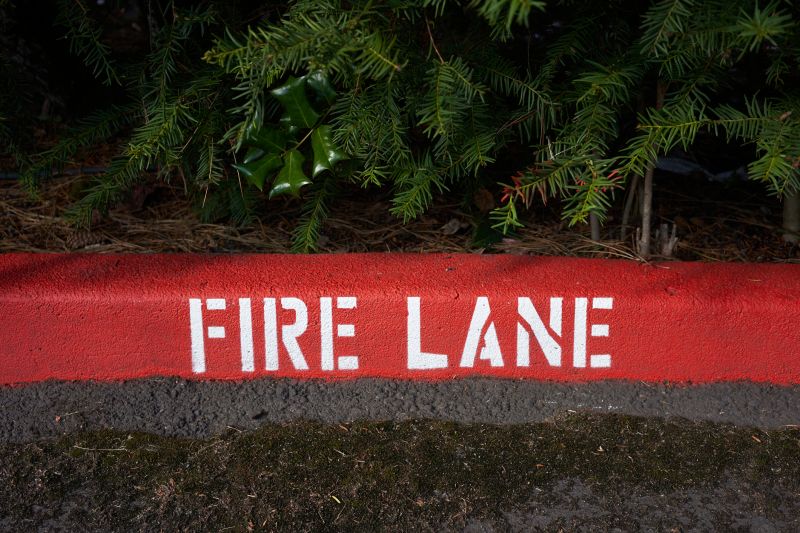
- Emergency Access Planning - important for properties requiring clear routes for firefighting equipment during wildfire events.
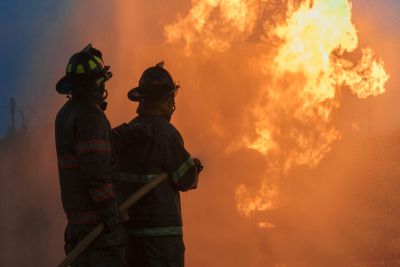
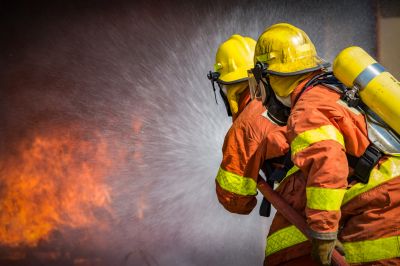
Forest fire prevention services involve a range of strategies and treatments designed to reduce the risk of wildfires spreading on residential and commercial properties. These services typically include creating defensible space by removing or trimming vegetation, thinning dense brush, and clearing combustible materials around structures. Additionally, contractors may install fire-resistant landscaping, apply fire-retardant treatments to plants and structures, and establish firebreaks to slow or stop the progress of a wildfire. The goal is to make properties less vulnerable to ignition and to help protect homes, businesses, and other structures from potential fire damage.
These services address common problems associated with wildfire risks, such as overgrown vegetation, dead or dry plant material, and cluttered yards that can serve as fuel for fires. Without proper management, these factors can significantly increase the likelihood of a fire starting and spreading rapidly. Forest fire prevention work can also help improve access for emergency responders, ensuring that fire crews can reach properties quickly if a wildfire does occur. By proactively reducing fuel sources and creating defensible zones, property owners can better safeguard their assets and reduce the potential for devastating fire damage.
Properties that typically utilize forest fire prevention services include homes in rural or semi-rural areas, properties near forests, grasslands, or open wildland areas, and properties with large yards or landscaping that includes combustible plants. These services are also beneficial for commercial properties such as ranches, farms, and outdoor recreational facilities that are situated in or near fire-prone regions. Any property owner who wants to lessen the risk of wildfire impact and improve safety measures can consider these services, especially if their property has dense vegetation or is located in an area with a history of wildfires.
Homeowners and property managers in Denver, CO, and surrounding communities often turn to local contractors for forest fire prevention work when they notice overgrown brush, dead vegetation, or cluttered yards that could serve as fire fuel. These services are a practical step for those looking to protect their property from the threat of wildfires, particularly during dry seasons or periods of increased fire activity. By working with experienced local service providers, property owners can implement tailored fire mitigation strategies that suit their specific landscape and fire risk level, helping to create a safer environment for everyone.
The overview below groups typical Forest Fire Prevention projects into broad ranges so you can see how smaller, mid-sized, and larger jobs often compare in Denver, CO.
In many markets, a large share of routine jobs stays in the lower and middle ranges, while only a smaller percentage of projects moves into the highest bands when the work is more complex or site conditions are harder than average.
Minor Firebreaks - Local contractors typically charge between $250-$600 for routine firebreak maintenance or small-scale clearing. Many projects fall within this range, especially for properties requiring basic vegetation removal or minor landscaping adjustments.
Vegetation Management - Costs for managing brush and trees around properties generally range from $600-$2,000, depending on the size of the area and the complexity of the work. Larger, more extensive projects can reach $3,000 or more, but most landowners fall into the middle tier.
Structural Fire Prevention - Installing fire-resistant barriers or creating defensible space typically costs between $1,000-$4,000 for residential properties. Many routine installations are in the $1,500-$2,500 range, while larger or more detailed projects may push higher.
Full Property Overhaul - Comprehensive fire prevention services for larger properties can range from $5,000 to $20,000+, depending on the scope and scale. Most projects tend to cluster around the $8,000-$12,000 mark, with fewer reaching the upper end of the spectrum.
Actual totals will depend on details like access to the work area, the scope of the project, and the materials selected, so use these as general starting points rather than exact figures.
Vegetation Management Projects - these projects involve clearing overgrown brush and trees to reduce wildfire fuel, utilizing similar planning and tools as fire prevention efforts.
Controlled Burn Services - professionals conduct prescribed burns to safely reduce combustible materials, requiring expertise in fire safety and environmental conditions.
Defensible Space Landscaping - creating defensible zones around properties involves strategic plant selection and clearance techniques, similar to fire risk mitigation.
Firebreak Construction - building firebreaks to prevent the spread of wildfires involves site planning, land clearing, and terrain assessment skills.
Erosion Control Projects - stabilizing soil and managing runoff to prevent wildfire spread through dry, eroded areas shares planning and equipment use with fire prevention work.
Wildfire Risk Assessment - evaluating properties for fire hazards involves detailed site analysis and risk planning, connecting closely with fire prevention strategies.
When evaluating service providers for Forest Fire Prevention, it’s important to consider their experience with similar projects in the Denver area or nearby communities. A contractor with a history of working on fire mitigation efforts can demonstrate familiarity with local conditions, regulations, and best practices. This experience often indicates that the provider understands the unique challenges of preparing properties for wildfire risks and has developed effective strategies over time.
Clear and detailed written expectations are essential to ensure that both the homeowner and the service provider are aligned on the scope of work. Reputable local contractors should be able to provide straightforward descriptions of the services they offer, including specific tasks, materials used, and the outcomes they aim to achieve. Having these expectations in writing helps prevent misunderstandings and ensures that all parties are on the same page throughout the project.
Good communication and reputable references are key indicators of a reliable service provider. Homeowners should seek out local contractors who are transparent about their processes and willing to share references from previous clients. Talking with past customers can provide insights into the contractor’s professionalism, responsiveness, and quality of work. Remember, this site introduces homeowners to local options for fire prevention services, not that it performs the work itself, so taking the time to research and compare these aspects can help identify the best fit for your property’s needs.
Property owners in Denver, CO use Forest Fire Prevention services for practical projects around their homes and businesses. This guide focuses on everyday jobs and straightforward project options.

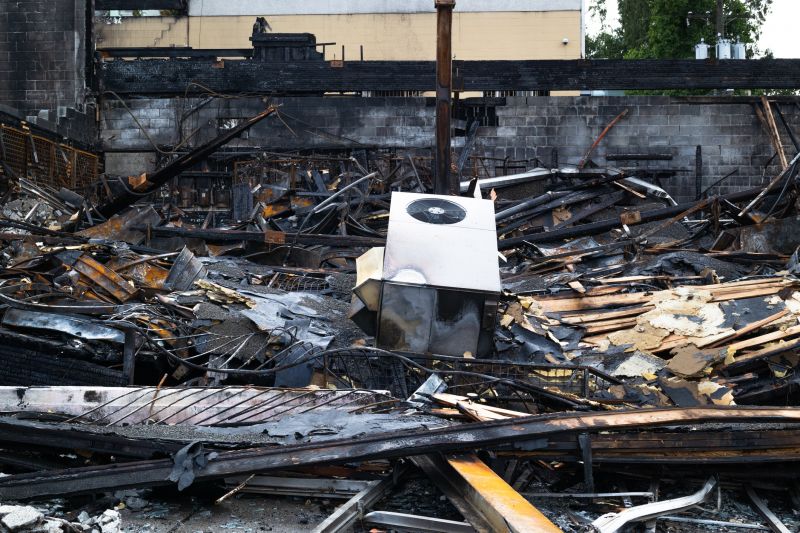
Forest fire prevention services are often sought after by property owners in Denver, CO who want to reduce the risk of wildfire damage. This can include tasks like clearing brush, trimming trees, and creating defensible space around homes and buildings. Homeowners and business owners may look for local contractors to help with these projects, especially if they have concerns about wildfire safety in the area or want to ensure their property is prepared for dry seasons and windy conditions common to Colorado.
In addition, many property owners consider fire prevention work after noticing overgrown vegetation or fallen branches on their land. Local service providers can assist with removing dead trees, managing underbrush, and installing fire-resistant landscaping features. These simple steps can help protect structures and improve safety, making it easier for property owners to feel confident in their wildfire preparedness efforts.
What are common fire prevention services offered by local contractors? Local contractors typically provide services such as creating defensible space, removing dead vegetation, and installing fire-resistant landscaping to reduce wildfire risk.
How can I identify if my property is at high risk for wildfires? Service providers can assess your property’s location, vegetation, and surrounding environment to determine wildfire risk levels and recommend appropriate prevention measures.
What steps can I take to prepare my property for fire season? Local pros often suggest clearing brush, trimming trees, and maintaining firebreaks to help prepare properties for fire season effectively.
Are there specific landscaping practices that help prevent fires? Yes, using fire-resistant plants, creating defensible zones, and maintaining proper spacing between vegetation are common landscaping practices recommended by service providers.
How do local fire prevention services assist with ongoing wildfire risk management? Service providers can offer regular maintenance, vegetation management, and site evaluations to help manage and reduce wildfire risks over time.
Vegetation Clearing - Property owners can work with local contractors to remove excess brush and trees near structures, reducing fire risk during dry seasons.
Defensible Space Planning - Homeowners can use services to create a defensible zone around their property, making it easier to protect homes from approaching fires.
Firebreak Installation - Local service providers can help establish firebreaks in strategic areas to slow or stop the spread of wildfires on or near property boundaries.
Emergency Access Improvements - Property owners can improve access routes with the help of local contractors to ensure firefighting equipment can reach the property quickly if needed.
If you are thinking about Forest Fire Prevention for a property in Denver, CO, this guide is meant to help you understand the work, the typical project types, and how different options might fit your plans.
When you are ready, you can use the quote form on this page to share a few details about your project. From there, local pros can review the basics and respond with options that match what you have in mind.